
EN
GENMA Maintenance · Emergency & Troubleshooting | Pressure Troubleshooting Guide
GENMA Maintenance · Emergency & Troubleshooting | Pressure Troubleshooting Guide
Nov 11, 2026
Abnormal pressure in the hydraulic system often shows up as slow, weak, or completely unresponsive machine functions. The cause isn't necessarily a failed pump — troubleshooting requires checking several links in the chain.
1. First, confirm: Is there really no pressure, or just no reading?
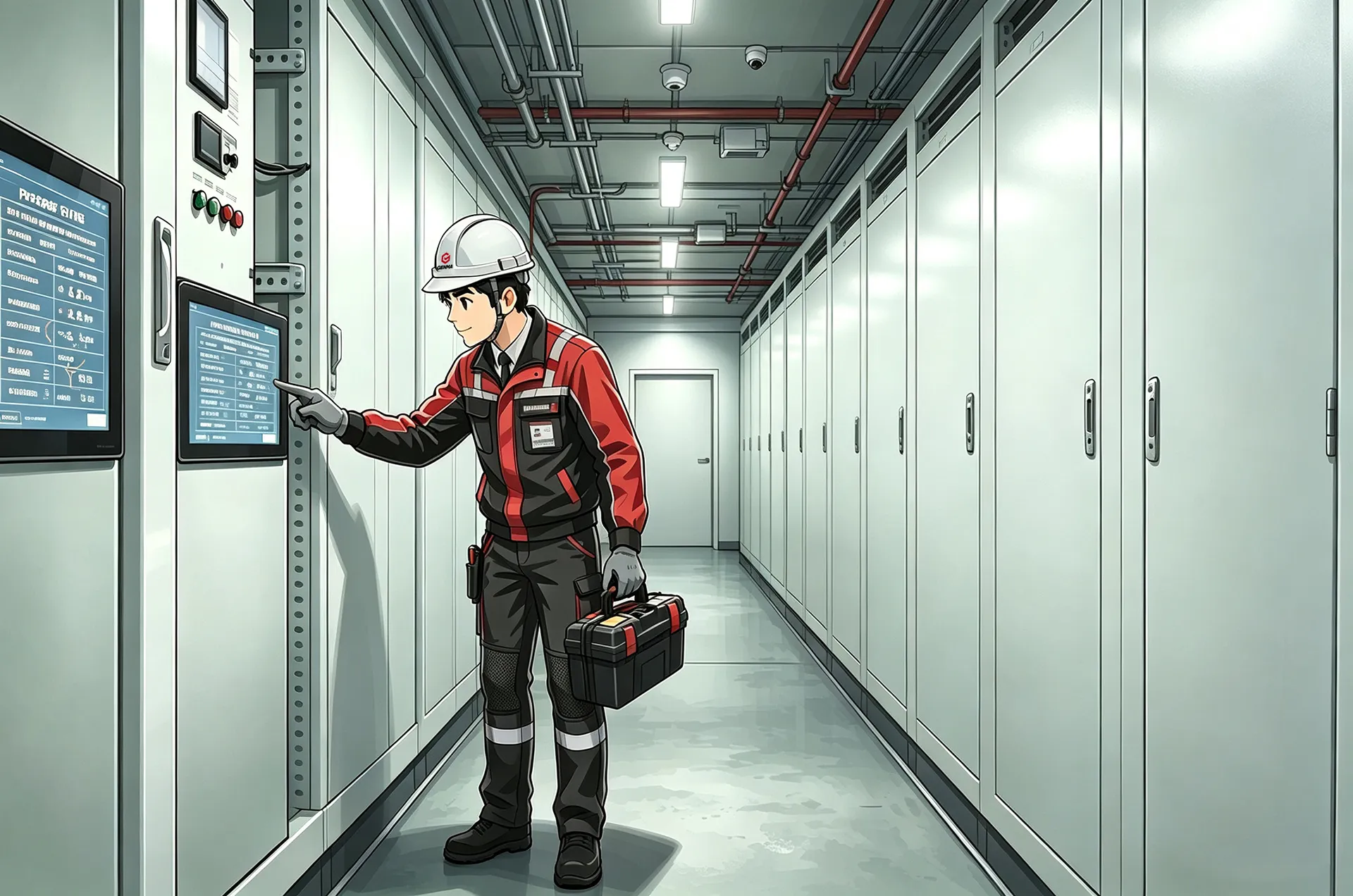
Watch the pressure display on the touchscreen during operation. If there is no pressure reading at all, the issue may be a faulty pressure sensor rather than an actual lack of system pressure. In that case, check the sensor and its wiring first, and replace the sensor if necessary.
If the gauge or sensor reading is indeed low, continue troubleshooting.
2. Common causes of abnormal pressure
According to the maintenance manual's hydraulic system inspection requirements, abnormal pressure may be related to the following:
1. Changed relief valve settings
Check whether the opening pressures of the pressure relief valves in the main and secondary control circuits are within the specified range.
2. Insufficient accumulator pressure
Check the gas precharge pressure in the accumulator. If the actual pressure is below 20% of the theoretical value, the accumulator needs to be replaced.
3. Incorrect settings of pressure reducing, sequence, or unloading valves
Check whether the set pressures of the various pressure control valves are correct.
4. Clogged filter elements
A clogged filter may cause the bypass valve to open or increase system resistance, affecting pressure build-up. Return filters and air breather filters should be replaced every 750 hours (first replacement at 250 hours).
5. Internal leakage
Worn cylinder piston seals, pump wear, or motor wear can all prevent pressure from building up. This typically shows up as slow cylinder movement under load.
3. Suggested troubleshooting sequence
1. Check whether the touchscreen pressure reading is normal (rule out sensor issues)
2. Check the settings of relief valves, reducing valves, and other pressure control valves
3. Check accumulator pressure
4. Check whether filters are due for replacement or clogged
5. Look for signs of internal leakage
Abnormal pressure can involve hydraulic, electrical, and mechanical factors, so troubleshooting requires systematically ruling out each possibility. If you encounter anything uncertain during diagnosis, feel free to contact your GENMA service engineer. We can help you pinpoint the issue based on your machine's specific configuration and operating data.

Recent Posts

October 26, 2016
The Most Successful Engineering Contractor



Contact Us
Product Information
Quantity
Unit
Piece
Support order samples, customization, wholesale direct, and complete payment. If the product you look for does not have corresponding customized content, pls fill out the form below to contact us, and we will reply ASAP.